Nov 16, 2026
Field notes: the renewal call where register entry 214 decided the conversation
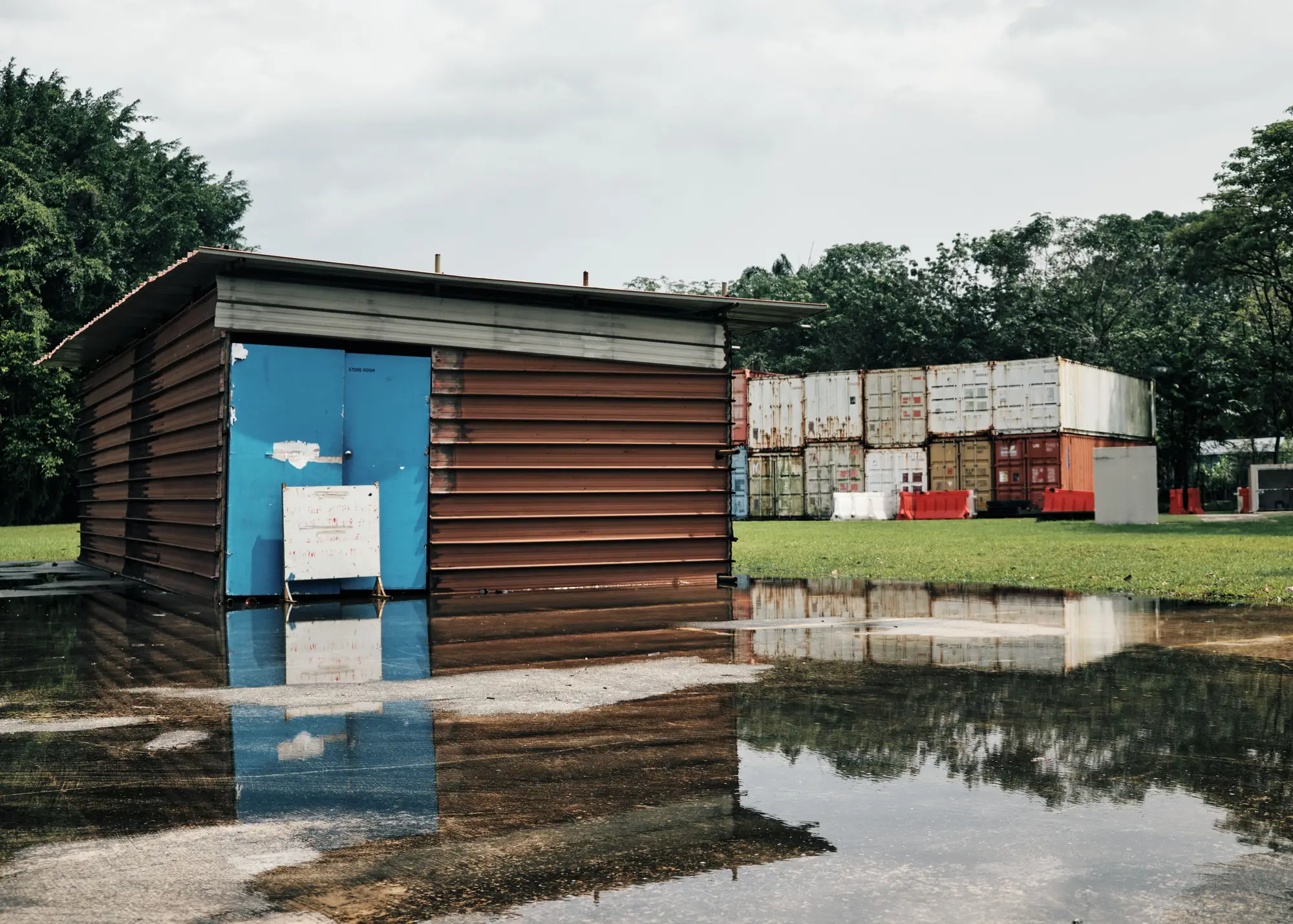
Renewal calls usually go the same way. Procurement leads with volume commitments, the supplier counters with cost pass-throughs, and somewhere in the middle someone mentions lead times like it's a throwaway line. Entry 214 changed the order of operations on ours.
The site in question is a tier-two subcontractor's finishing plant, the kind of facility that never comes up by name in a board deck but shows up on three different bills of materials. It had been on our vendor list for six years. Nobody had ever asked where exactly it sat relative to the river that runs past the industrial park, because nobody had a reason to. The contract was performing. The parts showed up.
Our register flagged it during the annual refresh as a flood plain exposure, mid tier, based on the current high-resolution pass over the site footprint. Not a guess pulled from a county floodplain PDF from a decade ago, which is what used to pass for diligence on this. An actual look at where the building sits against the current water boundary.
I brought the entry into the renewal prep meeting mostly as a footnote. It didn't stay a footnote. The supplier's own continuity statement, the one they send every year with the renewal packet, said the facility carried no flood risk. Ours said mid tier. That's not a rounding error you can smooth over on a call.
So the call started differently than planned. Instead of opening on unit pricing, our category manager opened on the register entry number and asked the supplier to walk through their flood mitigation plan for that specific building. The supplier had no mitigation plan for that building. What they had was a generic business continuity statement that referenced "regional weather events" in the abstract, the corporate equivalent of a shrug.
The supplier clearly had a gap, and most suppliers carry one somewhere. What surprised me was watching our category manager drop the risk-appetite debate within ten minutes and start drafting contingency clauses instead, once there was a numbered entry on the table rather than a vague worry. Vague worries get tabled. A register entry with an exposure tier and a dated imagery basis doesn't get tabled, because it's not an opinion anyone can push back on in the moment. You can argue about risk appetite. You can't argue about where the water line is.
By the end of the call we'd added a dual-sourcing contingency clause and a requirement that the supplier submit their own updated flood survey before next year's renewal. Pricing barely moved. That wasn't the point of the call anymore, and honestly it stopped being the point about ten minutes in.
The thing I keep coming back to is how little it took to get there. One entry, out of a register with a few hundred sites on it, happened to sit under a supplier whose contract was already up. The timing was coincidence: the calendar happened to line up with the hazard. It worked because the entry already existed before renewal talks began, before anyone had to scramble for a flood map the week of the call. By the time you're negotiating, you want the exposure tier already sitting in the file, not something you're generating under deadline pressure while the supplier watches you do it.
I don't think every renewal will go this way. Most sites on our list probably won't flag anything this year. But the ones that do change what gets discussed first, and that's worth more than I expected going in.
If your own vendor list has never been checked against where the suppliers actually sit, turning that list into a ranked hazard register is a once-a-year exercise, not an overhaul. Worth doing before your next renewal call lands on a site you haven't looked at yet.