Nov 9, 2026
Site-level flood exposure vs country flood risk index: what's the difference
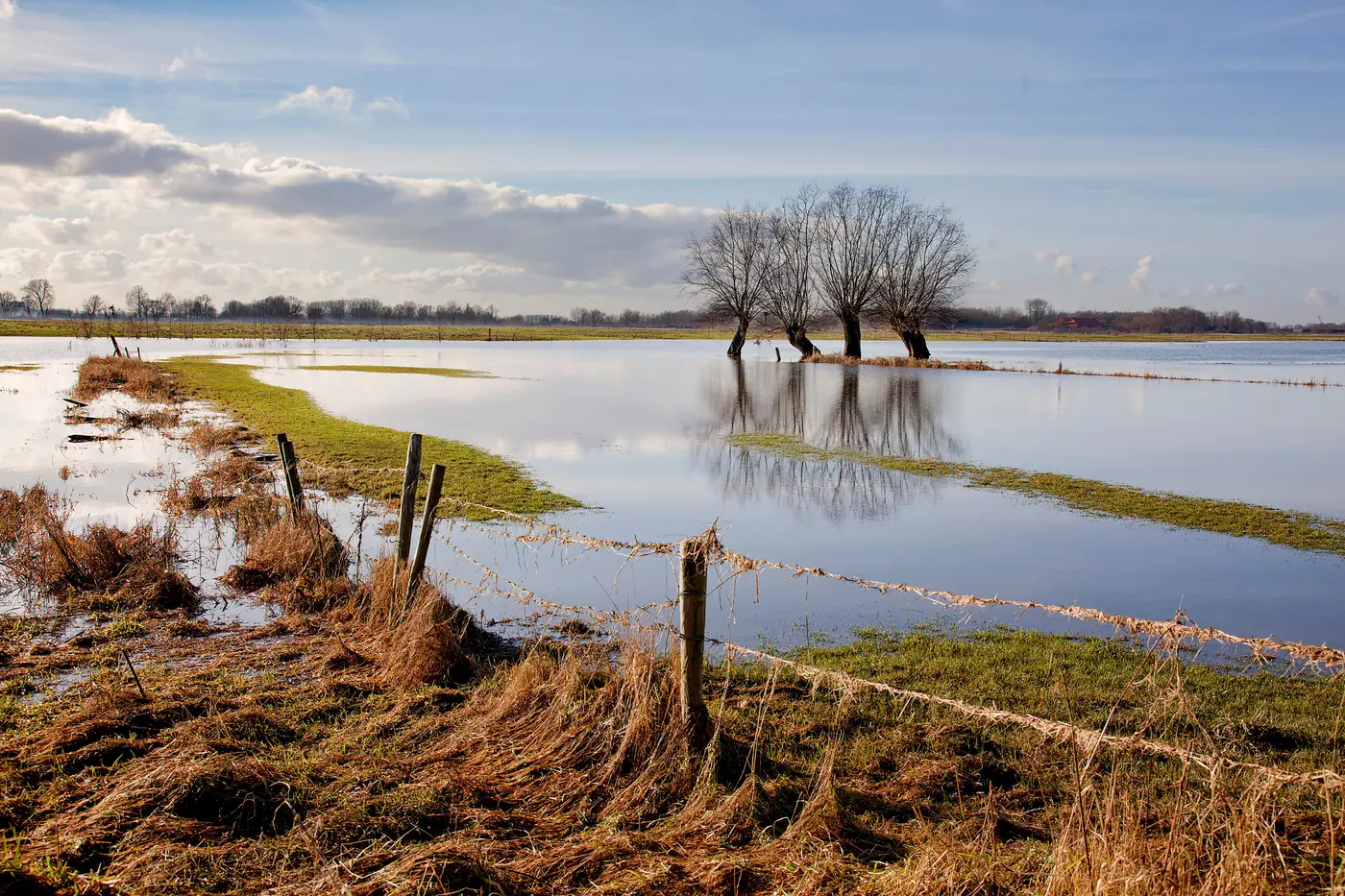
A country flood risk index will tell you that Thailand scores 62 out of 100 on some aggregated hazard scale, or that Indonesia sits in the "high risk" band for monsoon flooding. It will not tell you whether your Tier 2 connector supplier outside Ayutthaya sits on the floodplain that submerged the industrial estates in 2011, or two kilometers away on ground that never got wet. That's the gap between a country-level score and a site-specific flood exposure check, and it's the gap that matters when you're deciding which supplier relationship needs a backup plan.
What a country flood risk index measures
Most of the flood risk indices procurement teams pull into a vendor risk spreadsheet are built at national or provincial scale. They average rainfall records, historic disaster losses, and sometimes insurance claims data across an entire country or region, then hand back a single number or color band. That number is genuinely useful for some things: deciding whether to require flood coverage in a supplier contract, or flagging a country for closer review during onboarding.
A national index can't locate a building. It has no way of knowing whether your supplier's address sits at the bottom of a drained paddy field two meters below the nearest river, or on a raised industrial pad built specifically because the developer knew the area flooded, because the average it's built from covers provinces that contain both kinds of ground. The number on the page describes the country as a whole. The parcel your supplier's building actually sits on is a different thing entirely.
What site-specific exposure checks
Site-level flood exposure works from the opposite direction. Instead of starting with a country and working down, it starts with the supplier's coordinates and works out from there, reading the terrain, the drainage pattern, the elevation relative to the nearest waterway, and whether the ground around the building sits inside a mapped flood plain. Two supplier sites forty minutes apart, in the same province, under the same country score, can land in completely different exposure tiers once you look at where each one sits.
This is the same reason a regional flood index misses the call. "Southeast Guangdong" or "Gujarat coastal belt" is a useful filter for a first pass, but it still covers hundreds of individual industrial parks, some on reclaimed land at sea level and some well above the surge line. A regional band tells you to look closer. It doesn't tell you what you'll find.
Why this matters for a supplier register
If you're ranking suppliers for a hazard register rather than just flagging countries, the country number does almost no work. A register needs to answer one question per site: does this specific address sit in harm's way, and by which hazard. You get that answer by checking the site itself, independent of which country it happens to sit in.
This is also where the generic flood-zone PDF approach falls apart. Those documents are usually built from the same regional or national data as the index score, repackaged as a map, with the supplier's pin placed on top by someone who never checked the imagery against the actual parcel boundary. The pin looks precise. The underlying data isn't.
A yearly pass across your full vendor list that checks site-level flood plain, wildfire fuel load, landslide terrain, and storm surge exposure against each supplier's footprint, and returns a ranked hazard register instead of a country score, is the difference between knowing a region is risky and knowing which of your twelve sites in that region you should worry about.
If your current supplier risk spreadsheet is built on country or regional scores, it's worth asking what it would show if you checked the address instead. Supply Chain Hazard Mapping runs that check once a year across your full footprint and hands back a numbered register entry per site, so you know which suppliers are in harm's way and which just happen to share a country with the ones that are.